
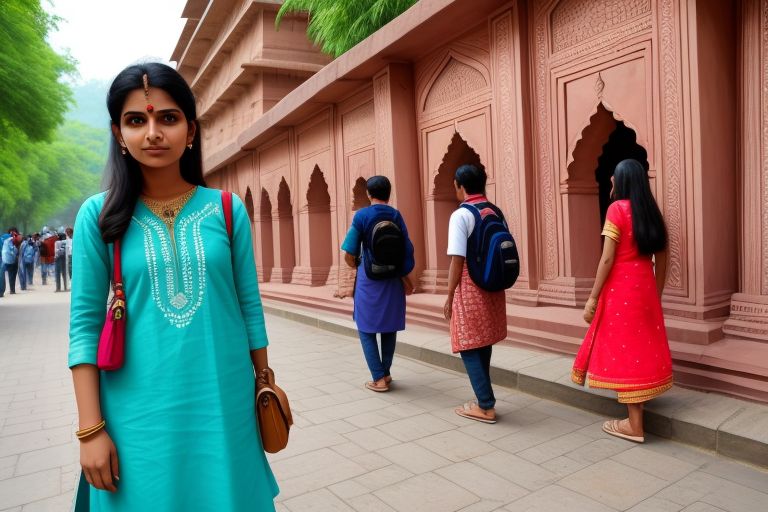
Exploring the Different Types of Indian Visa

India, with its rich culture, vibrant history, and diverse landscapes, attracts millions of tourists, business professionals, and medical travelers every year. However, to visit India, most international travelers need to apply for an Indian visa. India offers various types of visas to accommodate different travel purposes. Understanding the types of Indian visas available is essential for a smooth entry into the country. This article will explore the different types of Indian visa and provide helpful guidance on how to apply for the right visa based on your travel needs.
Types of Indian Visa: An Overview
India offers multiple visa options for international travelers, depending on the purpose of the visit. The most common categories include tourist, business, medical, and employment visas. Each visa type has its own set of requirements and processing timelines, so it’s crucial to choose the right visa before applying.
For detailed information about the types of Indian visas available, you can visit Types of Indian Visa. Let’s look at some of the most common visa types:
1. Tourist Visa
A tourist visa is designed for individuals visiting India for leisure purposes, such as sightseeing, recreation, or visiting family and friends. The Indian Tourist Visa is one of the most popular visa types, and it can be applied for either as a regular visa or an eVisa (electronic visa) for eligible countries.
Features of the Tourist Visa:
- Valid for short stays, typically up to 90 days.
- Allows for multiple entries (depending on the specific visa issued).
- Suitable for tourism, visiting family, or attending events.
For more information on the tourist visa and the application process, you can check out the official page for Indian Visa Types.
2. Business Visa
The business visa is for foreign nationals visiting India for business purposes, including meetings, conferences, negotiations, or setting up a business. Business visas are commonly issued to entrepreneurs, business owners, and professionals who plan to explore business opportunities in India.
Features of the Business Visa:
- Valid for up to 6 months, with multiple entries.
- Allows the holder to attend business-related events or meet clients.
- Requires proof of business activities, such as invitation letters or company details.
If you are interested in applying for a business visa, you can find more details in the Indian visa guide for business purposes under Types of Indian Visa.
3. Medical Visa
The medical visa is granted to travelers who are coming to India for medical treatment. India is known for its advanced medical facilities and affordable healthcare services, attracting medical tourists from around the world.
Features of the Medical Visa:
- Designed for individuals seeking medical treatment or accompanying a patient.
- Typically valid for up to 6 months.
- Requires medical documents from a hospital or medical institution in India.
If you are traveling to India for medical reasons, make sure to check the eligibility criteria and application process for the Indian Medical Visa at the Indian Visa Types.
4. Employment Visa
An employment visa is suitable for foreign nationals seeking to work in India. This visa is typically issued to individuals who have been hired by an Indian company or organization.
Features of the Employment Visa:
- Valid for up to 1 year, and renewable based on employment status.
- Allows foreign nationals to work legally in India.
- Requires proof of a job offer or employment contract from an Indian employer.
For further information on the Indian Employment Visa and how to apply, you can refer to the Types of Indian Visa page.
5. Student Visa
The student visa is issued to individuals intending to pursue academic studies in India. This type of visa is typically granted to those enrolled in full-time programs at recognized Indian institutions.
Features of the Student Visa:
- Typically valid for the duration of the course, plus some additional time for travel.
- Requires proof of enrollment in an educational institution in India.
- Allows the student to attend lectures and exams but restricts work opportunities.
If you’re planning to study in India, check the Indian Visa Types page for specific application steps.
6. E-Visa (Electronic Visa)
The eVisa system has revolutionized the Indian visa application process by enabling travelers to apply for a visa entirely online. The eVisa is available for a variety of purposes, including tourism, business, and medical treatment.
Features of the E-Visa:
- Valid for 60 days (tourist), 60 days (business), or 60 days (medical).
- Available for citizens of over 160 countries.
- Fast processing time (typically 3-5 business days).
- Multiple entry options depending on the visa type.
Travelers interested in the eVisa can apply online by visiting the official Types of Indian Visa page to check eligibility and requirements.
7. Transit Visa
The transit visa is for travelers passing through India en route to another destination. This visa allows for a short stay (usually 3 to 7 days) in India before continuing the journey to the final destination.
Features of the Transit Visa:
- Short validity (usually up to 7 days).
- Ideal for travelers making a quick stopover in India.
- Requires proof of onward travel.
For more information on the Indian Transit Visa, visit the Indian Visa Types page.
Conclusion
India offers a variety of visa options tailored to the different needs of travelers. Whether you’re visiting for tourism, business, medical purposes, or education, the right visa is essential for a smooth travel experience. By understanding the different types of Indian visas, you can choose the visa that best suits your trip and ensure that you meet all the application requirements.
For a detailed overview of all available visa types and to start your application process, be sure to visit the Types of Indian Visa page here. Additionally, for more specific information about each visa type, check out Indian Visa Types.

